art therapist
“Art therapy is an integrative mental health and human services profession that enriches the lives of individuals, families, and communities through active art-making, creative process, applied psychological theory, and human experience within a psychotherapeutic relationship."
~ American Art Therapy Association
On this page, I share the frameworks and philosophies that guide my approach to art therapy and how I work with clients and workshop participants.
archetypal and imaginal psychology
With deep reverence for individual and cultural expressions, I take note of themes in clients’ artwork, stories, and experiences that indicate what connects each of us to human wisdom. Together with clients, we explore symbols and become curious about images for their capacity to reveal aspects of ourselves and directions for making changes.
existential psychology
Intertwined with the human experience are profound questions that we all must face to lead a complete life that accepts the struggles and joys of being a human. Some of these include, “How do I live in the face of mortality?” and “How do I make sense of what seems senseless?” Together with clients, we look at what suffering means for each of us and how to find meaning that can guide us.
mindfulness and holism
Based on my training while at the Centre on Behavioral Health at The University of Hong Kong, I developed a profound respect for the ways that personal contemplation and focused breathing can enhance individual well-being and relationships. Together with clients, we pay attention to thoughts, feelings, and bodily sensations as clues for insight and remedies.
community development
Working towards peace building and social justice are important parts of my work, particularly identifying the intersections of art and art therapy for building community, fostering empathy, challenging bias, facilitating cross-cultural dialogues, and taking action.
The images below are some examples and are included with the consent of the artists.
-

art for protest
Images that convey clear messages. This one is my representation of a line from Reverend William Barber II for the Poor People's Campaign: A National Call for Moral Revival. The top images represent the four social evils (war economy, systemic racism, environmental degradation, poverty) shifting into peace, inclusion*, sustainability, and justice.
*This image of the interconnected hands is from an original 1968 Poor People's Campaign poster -

art for advocacy
Images that encourage individuals to share their stories of a social injustice. This image is by an adolescent conveying challenges faced by the lesbian, gay, bisexual, transgender, and queer community at a workshop at a public school LGBTQ pride conference.
-
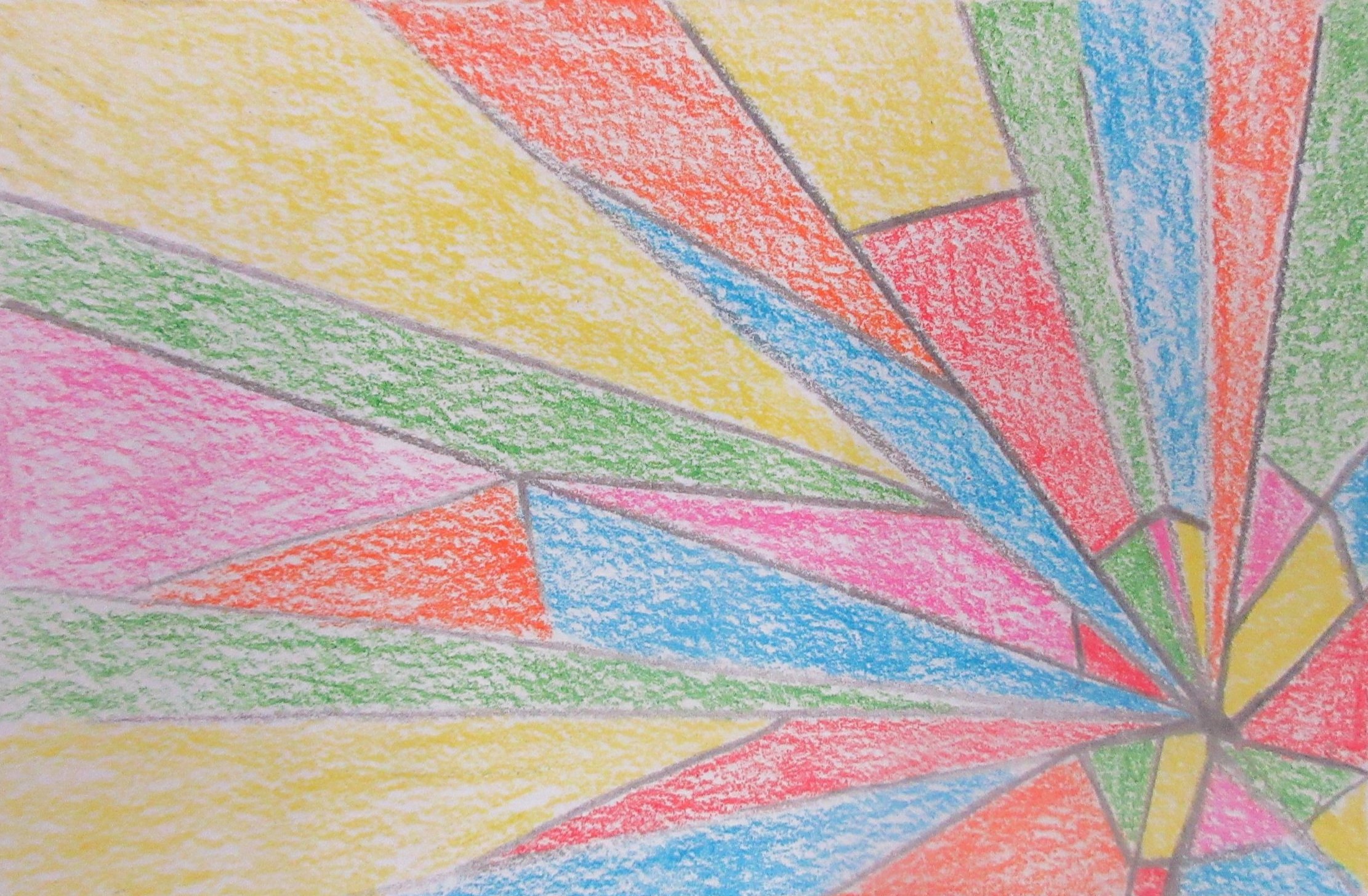
art for lobbying
Images that encourage individuals to share their stories of a social issue to share with policy makers. This image was created to express the pain of being a survivor of gun violence at a workshop to prepare people planning to meet with their representatives to discuss gun reform.
-

art for dialogues
Images that encourages individuals to respond to art to promote contemplation and foster empathy in order to dialogue for understanding and action. This image was created at a workshop to reflect on a personal experience that informed current social and political views in order to use as a starting point for discussion.